
The Luxscape Pergola
What to Expect When Building Your Custom Pergola
Ready to elevate your lifestyle? Luxscape doesn’t just build pergolas—we design and deliver premier, exclusive outdoor living experiences built precisely for your discerning taste.
From the moment you contact us, our mission is to transform the building experience from a source of frustration into one of collaboration and confidence. We transform your initial vision into a breathtaking reality, managing every detail with unmatched precision. Forget the stress of permits and paperwork; our experts seamlessly handle the entire process, including HOA approvals and structural engineering, ensuring a hassle-free transformation.
Our bespoke solutions are designed not just to dramatically boost your home’s curb appeal today, but to serve as a smart, appreciating, long-term investment you’ll value for a lifetime.
The Initial Consultation
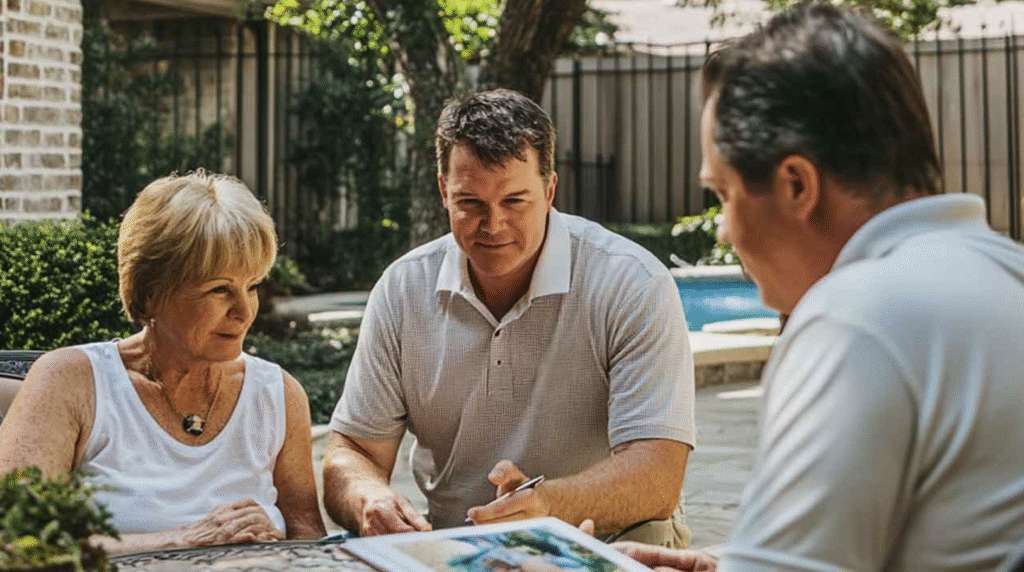
The initial consultation for a custom pergola is a collaborative meeting with one of our outdoor design specialists to discuss your vision and assess the project space. It serves to establish clear communication and align goals before proceeding with detailed design and planning.
Discussion of Your Vision and Lifestyle
During the meeting, the designer will discuss your goals, lifestyle, and design preferences. This includes determining the function of the new space, such as whether it will be used for relaxation or entertaining. To help clarify ideas, clients are encouraged to share inspiration photos from magazines, social media, and other online sources.
Targeted Design Elements
The consultation includes a discussion of specific design elements to ensure the patio cover fits your vision and complements the home’s architecture. Key design elements reviewed are:
- Material: The choice of material significantly affects durability and aesthetic.
- Attachment Style:
- Attached: Connects directly to the house, creating a seamless extension of indoor living space.
- Freestanding: Stands independently in the yard, ideal for creating a focal point by a pool or in a garden nook.
- Shade and Roof Options: Customers often prioritize control over sun exposure, especially in hot climates like South Texas.
- Open-beam/Traditional: The classic design with open slats overhead, providing partial, dappled shade and an airy feel.
- Solid Roofs (e.g., Polycarbonate Panels): For permanent protection from sun and rain, effectively turning the structure into a covered patio.
- Integrated Lighting: Options range from string lights for ambiance to built-in LED strips, pendant lights, or fans with integrated lighting to extend the use of the space into the evening.
- Privacy Features: Curtains, drapes, lattice, or privacy walls can be added to the sides for seclusion and wind protection.
- Integrated Features: Customers may incorporate built-in seating, an outdoor kitchen, a fireplace, or even audio systems and smart home controls.
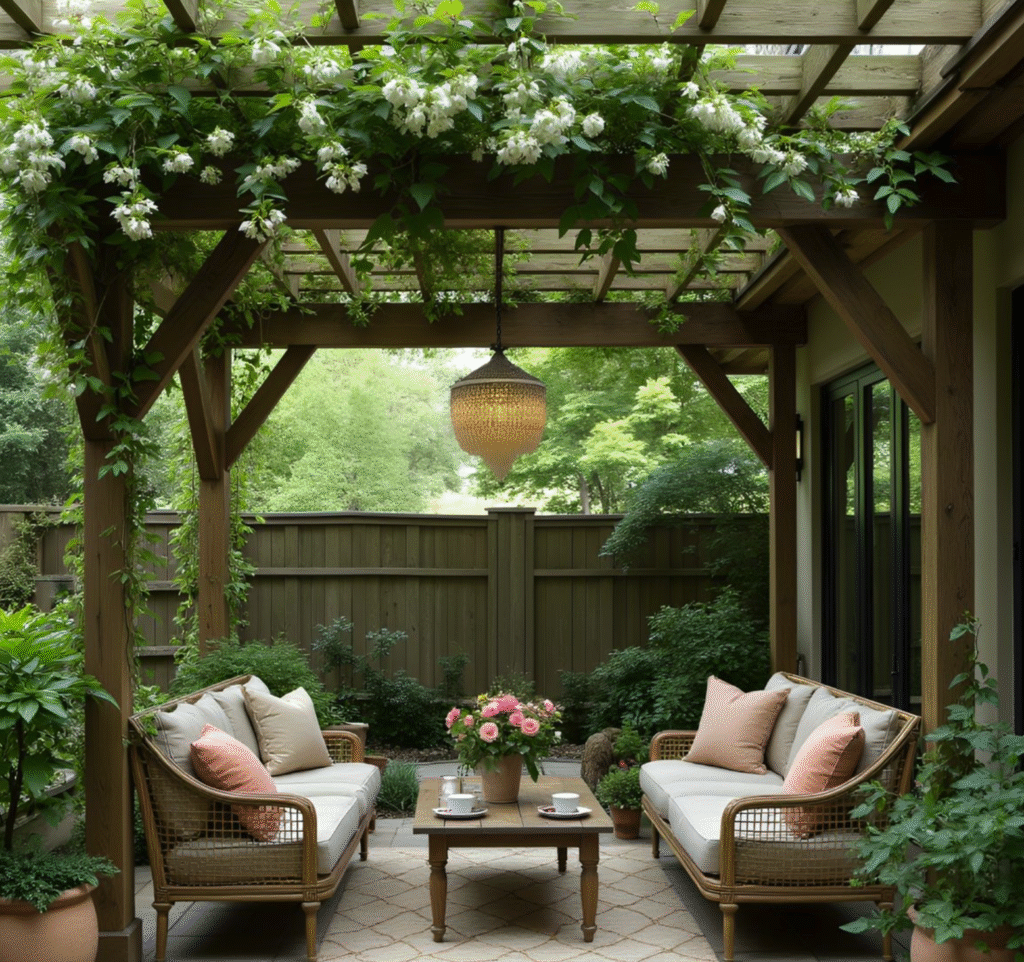
- Landscaping Integration: Climbing plants like wisteria or ivy are often trained to grow over the beams and posts, adding a natural, lush aesthetic and organic shade over time.
- Architectural Details: Custom columns (round, square, or tapered) and decorative end cuts on beams and rafters allow homeowners to match the pergola to their home’s specific architectural style (e.g., modern, traditional, rustic).
Site Analysis
The designer conducts a site analysis to evaluate existing conditions and determine the project’s feasibility. This includes assessing sun exposure, drainage, and property dimensions.
Process Overview
An overview of the construction process and potential timelines is provided during the consultation. For clients who need further design ideas, a photo gallery is available to illustrate various options for function and appearance. By the end of the meeting, the designer will have presented various design options and worked with you to select the best features for your custom patio cover.
Design
The design phase for a custom pergola transforms the ideas from the initial consultation into a set of detailed, actionable plans and documents. This process ensures all parties have a clear understanding of the project’s scope, specifications, and costs before construction begins.
Conceptual Design and Visualization
Using information gathered during the initial meeting, the design team develops a conceptual design to present to you. For simpler projects, this may be a 2D rendering or floor plan, while more complex designs often include photorealistic 3D renderings.
- Aids Clarity: These visualizations provide a clear preview of the finished space, helping you see how different design elements, materials, and colors will come together.
- Facilitates Communication: The renderings are an effective tool for communicating complex design intentions, helping to bridge any gaps between your vision and the technical aspects of the plan.
- Supports Decision-Making: By presenting a lifelike experience of the proposed design, you can make informed decisions about layouts, materials, and features with greater confidence.
Refining the Design
The conceptual design is a starting point for discussion. Based on your comments and feedback, the design is refined and adjusted until it fully reflects your vision. This process involves:
- Iteration: The designer will work through several rounds of revisions, making adjustments to aspects such as the style, color, column design, lighting, or other integrated features.
- Attention to Detail: The focus is on integrating all the desired elements into a cohesive and functional final plan, ensuring that the design complements the home’s architecture and suits your family’s lifestyle.
Detailed Proposal Development
Once the final design is approved, a comprehensive proposal is created. This document formalizes all the key aspects of the project, including:
- Scope of Work: A detailed description of all tasks and services included in the project.
- Pricing and Options: A transparent breakdown of project costs, including options for different design elements that were discussed.
- Timeline: An outline of the project schedule, including start and target completion dates and key milestones.
- Payment Schedule: A clear plan outlining when payments will be due throughout the construction process.
Final Construction Documents
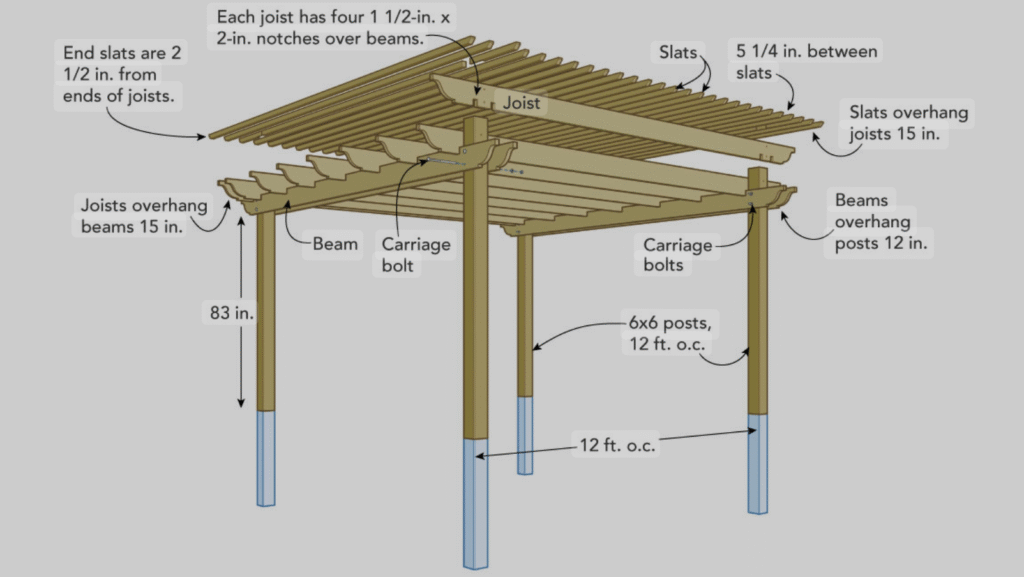
Following the approval of the detailed proposal, the team creates the final construction documents. These are the detailed blueprints and specifications that guide the construction crew. They include:
- Compliance Documentation: The necessary paperwork for obtaining building permits and any required engineering certifications.
- Final Layouts: Precise floor plans, elevations, and site plans.
- Specifications: Detailed information on materials, finishes, electrical systems, and structural requirements.
Material Selections
The material selection phase for a custom Pergola is a critical step where you choose the finishing materials for their project. The designer assists in balancing aesthetics and functionality, taking into account the durability, longevity, and maintenance of each material. Given the South Texas climate, choices must withstand intense heat, humidity, and sun while complementing the home’s architectural style and adhering to building codes.
Main Structure Materials
The main frame of the pergola needs to be strong and weather-resistant. Common choices include:
- Wood: A classic choice offering a natural, warm aesthetic.
- Cedar and Redwood: Naturally resistant to rot, decay, and insects, though they still require regular staining or sealing to maintain their appearance and longevity.
- Pressure-Treated Pine: A more budget-friendly option treated with chemicals for durability, but may not be as aesthetically pleasing initially and requires regular maintenance to prevent warping and splitting.
- Modified or Tropical Hardwoods: Offer high durability and performance, often with less maintenance, but at a higher cost.
- Metal: Offers a modern, sleek, or industrial look and is highly durable.
- Aluminum: A popular choice for its lightweight, strength, and resistance to rust, rot, and insects, making it a low-maintenance option. It can be powder-coated in various colors and finishes, including wood-grain textures.
- Steel/Wrought Iron: Extremely strong, often used for larger structures, but requires protective finishes to prevent rust and corrosion.
- Masonry (Brick or Stone): For a highly durable and low-maintenance option, customers may choose brick or stone columns to match their home’s existing architecture.
Roofing and Shade Materials
While traditional pergolas feature an open-beam roof, clients often add materials for increased shade and weather protection:
- Polycarbonate Panels: These durable panels allow natural light to filter through while blocking harmful UV rays and rain, creating a dry space beneath.
- Fabric Canopies/Shade Sails: Retractable fabric covers offer flexibility, allowing users to control the amount of sun and shade as needed.
- Climbing Plants: For an organic look, clients select specific climbing plants (like ivy or wisteria) to grow over the structure, providing natural shade over time.
Pergola Slab and Floor Coverings
The material used for the pergola slab and floor coverings defines the finished surface of the outdoor living space.
- Concrete: The underlying slab can be finished in several ways for a durable surface.
- Brushed or Broom Finished: A textured, non-slip surface ideal for everyday use.
- Polished: A modern, sleek finish that can be stained to a wide range of colors.
- Floor Coverings: A wide range of options can be installed over the concrete slab.
- Pavers: Available in a vast array of shapes, sizes, and colors, providing versatility to achieve numerous design possibilities.
- Kool Deck: A surface applied over concrete to create a textured, heat-reflective finish that is comfortable underfoot.
- Limecrete: A specialized concrete surface for a unique, modern look.
- Tile: Available in numerous materials, sizes, and colors providing a wide range of design possibilities.
Pre-Construction
For a custom pergola, the crucial pre-construction phase involves navigating Homeowners Association (HOA) regulations, securing structural engineering plans, and obtaining the necessary building permits. This ensures the final structure is not only well-built but also compliant with all local rules and standards.
Homeowners Association (HOA) Approval
If the property is governed by an HOA, the project must first receive approval from the association’s architectural review committee.
- Submission: A formal proposal is submitted, often requiring detailed architectural drawings, material and color samples, and a site plan showing the patio cover’s location.
- Compliance: The proposed design must align with the HOA’s specific covenants, conditions, and restrictions concerning outdoor structures, which may have rules about height, materials, and aesthetic consistency.
- Timing: The review process can take several weeks, so a realistic project timeline must account for this potential delay.
Structural Engineering
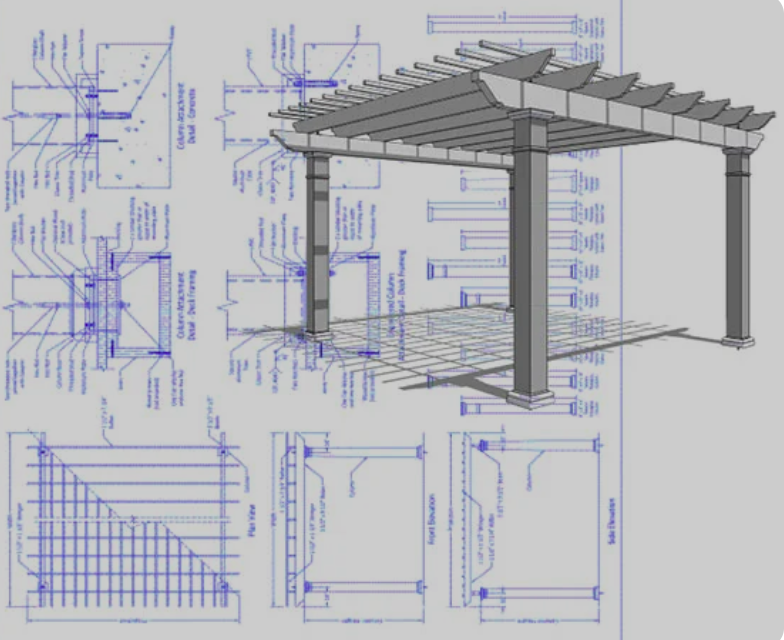
For most attached or larger pergolas, certified engineering plans are required to ensure structural integrity and compliance with building codes.
- Load Requirements: A structural engineer will design the cover to meet local requirements for vertical loads and wind loads.
- Foundation Analysis: If the pergola is being built on an existing concrete slab, an engineer will evaluate its condition to determine if new footings or reinforcement are needed.
- Engineering Drawings: Stamped drawings provided by the engineer are may be required for the permit application.
Obtaining Building Permits
The final pre-construction step for a custom pergola involves submitting documentation to the local building department to secure a permit.
- Application: A complete permit application form is submitted, typically including the HOA approval letter (if required), engineered structural plans, and a detailed site plan.
- Code Review: City or county officials review the plans to verify that the design meets all applicable building and zoning codes, including setback requirements and height limits.
- Issuance and Posting: Once your pergola is approved, the permit is issued and must be prominently displayed on the job site for inspectors to confirm the project is authorized.
Construction
Now that we’ve obtained all the necessary permissions to construct your custom pergola, we can now begin construction. Below are the milestones we use during construction to monitor the construction process:
The Site Preparation Process
The initial stage of building a pergola is site preparation, which involves preparing the designated area for construction and ensuring a stable foundation. This phase is crucial for the longevity and structural integrity of the final pergola.
Site Clearing and Demolition
Before any new construction begins, the area must be cleared. This includes:
- Landscaping: Removing existing landscaping, such as shrubs, trees, or planters.
- Existing Structures: Demolishing any old or existing structures, such as a previous pergola or shed that are within the new pergola footprint.
- Other Obstacles: Clearing the ground of all obstacles, including rocks, roots, and debris.
Utility Considerations and Relocation
In order to create a safe and compliant construction site, existing utilities are managed early in the process. This involves:
- Utility Lines: Identifying the location of underground utilities, such as electrical, gas, or irrigation lines, by contacting the appropriate utility marking services.
- Irrigation: Relocating or terminating sprinkler heads and other irrigation elements that fall within the new structure’s footprint.
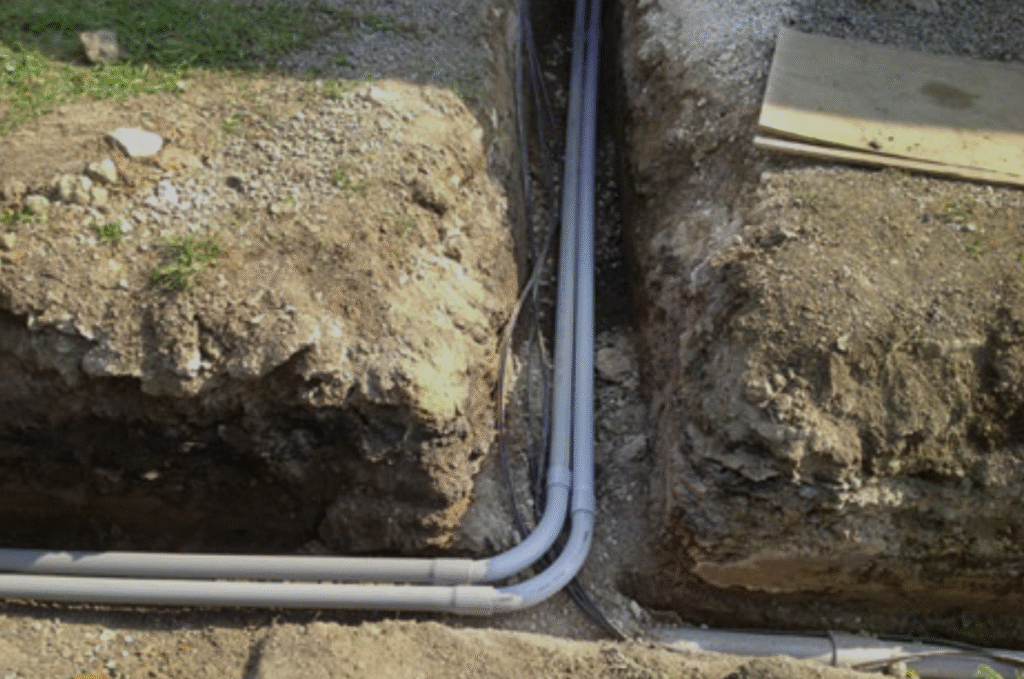
- Electrical Trenching: For detached structures that require power, a dedicated electrical circuit is often installed at this stage. This requires trenching from the main electrical meter to the new structure.
Grading and Drainage
Proper drainage is essential to prevent water damage to the pergola and the adjacent property. This step includes:
- Site Assessment: Evaluating the natural water flow of the yard.
- Grading: Adjusting the ground to achieve a slight slope that directs water away from the pergola and home’s foundation.
- Drainage Systems: Installing new drainage solutions, such as catch basins and drainpipes, according to design plans.
Foundation Preparation
A solid foundation is a prerequisite for a long-lasting and stable pergola. Depending on the design, this may involve:
- Marking Post Holes: The precise locations for the columns are marked using stakes and string.
- Pouring Concrete Footings: Post holes are dug to the appropriate depth, and concrete footings are poured to provide a sturdy anchor for the columns.
- Leveling the Ground: After clearing and excavating, the soil is leveled to create a stable sub-grade.
- Compacting the Soil: The ground is compacted to prevent future settling, which can compromise the structure’s stability.
The Foundation Process
Building a solid foundation is essential for a custom pergola. The installation of a concrete slab provides a durable and stable base for the structure while also serving as the finished floor. The process requires careful preparation and precise execution to ensure the slab has proper drainage and long-term stability.
Creating Forms
Sturdy formwork is built to contain the wet concrete and create the slab’s perimeter.
- Building the Frame: Boards, typically 2x4s or 2x6s, are joined to create the outer shape of the patio. They are secured with stakes every 2 feet to withstand the concrete’s weight.
- Placing Expansion Joints: An expansion joint, often a strip of fiber board, is placed where the new slab will meet an existing concrete surface, such as the home’s foundation. This reduces cracking that can occur when the two slabs expand and contract at different rates.
Base Preparation and Reinforcement
A great foundation requires more than just concrete. We prepare the ground with a solid 4-inch layer of compacted select fill and play sand mixture, ensuring a stable base and superior drainage. We then reinforce the concrete with 3/8” rebar, strategically placed to maximize strength and reduce the risk of cracking or shifting over time.
Pouring and Finishing Concrete
The final pour is where we carefully level and smooth the concrete surface followed by a broom-finishing process that gives the slab a non-slip texture.
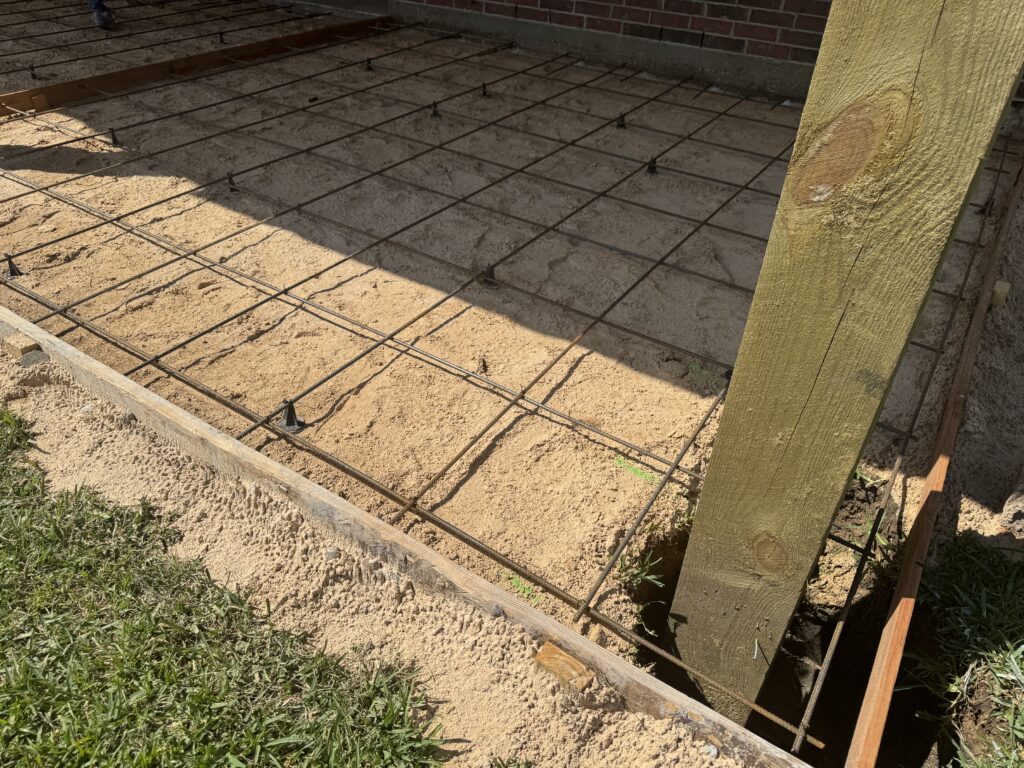
- Pouring the Concrete: We begin by pouring the concrete into the forms, ensuring an even and consistent mixture throughout. Our team spreads the concrete to fill every corner, ensuring a solid and stable base from the very beginning.
- Screeding and Floating: Using a screed, we carefully level and flatten the surface, removing any imperfections. We then follow with a bull float, smoothing and compacting the concrete to create a beautifully uniform finish that’s ready for the next step.
- Applying a Broom Finish: A non-slip finish is applied by dragging a broom across the newly poured concrete.
- Curing: The concrete must be kept moist for several days to cure properly. This is typically done by sprinkling with a hose and allows the concrete to harden more evenly and reduce cracking.
Building the Pergola Structure
Once the foundation is installed, that’s when the real magic begins. We transition from groundwork to bringing your dream sanctuary vertical.
Our expert craftsmen then begin the assembly of your custom pergola structure, meticulously transforming raw materials into your stunning outdoor centerpiece. This seamless process includes:
- Pier and Column Installation: An engineer determines the size of the concrete piers based on structural requirements and local conditions.
- Non-Windstorm Areas: Piers are generally 2 feet in length, 2 feet in width, and 2 feet in depth.
- Windstorm Areas: For additional resistance, piers are typically deeper, measuring 2 feet in length, 2 feet in width, and 3 feet in depth.
- Expert Framing: We assemble and secure the beams and rafters, ensuring every joint is aligned and structurally sound.
The Rough Electrical Installation Process
The next phase of construction involves the rough electrical installation, which is the process of setting up the electrical system according to a pre-established plan. This stage is critical for ensuring the safety and functionality of the electrical system.
Key steps in this process include:
- Planning: An electrical plan, developed during the design phase, details the specific locations for outlets, switches, fans, and lighting fixtures.
- Wiring: Power is supplied from the main electrical panel or an existing outlet, and the necessary wiring is routed to all fixture locations.
- Material Requirements: For outdoor applications, it is mandatory to use outdoor-rated materials for durability and safety.
- Safety Features: All outdoor outlets must be GFCI (Ground Fault Circuit Interrupter) protected to guard against electrical shock.
The Staining and Paint Process
A gorgeous, custom-built wooden pergola is a significant investment in your home and lifestyle. But in the harsh South Texas climate, bare wood quickly falls victim to intense UV rays, moisture, and temperature swings, leading to fading, cracking, and eventual rot.
At Luxscape, our professional staining and painting process isn’t just about color—it’s about providing a robust, long-lasting shield that preserves your structure’s beauty and integrity for decades.
- Expert Preparation is Key: We begin by thoroughly cleaning and preparing the wood surface. This vital step removes all dirt, mildew, and contaminants, ensuring maximum absorption and adhesion for the finish. We let the wood dry completely to guarantee a deep, penetrating application and long-lasting protection.
- Premium Product Selection: We guide you in selecting the perfect finish:
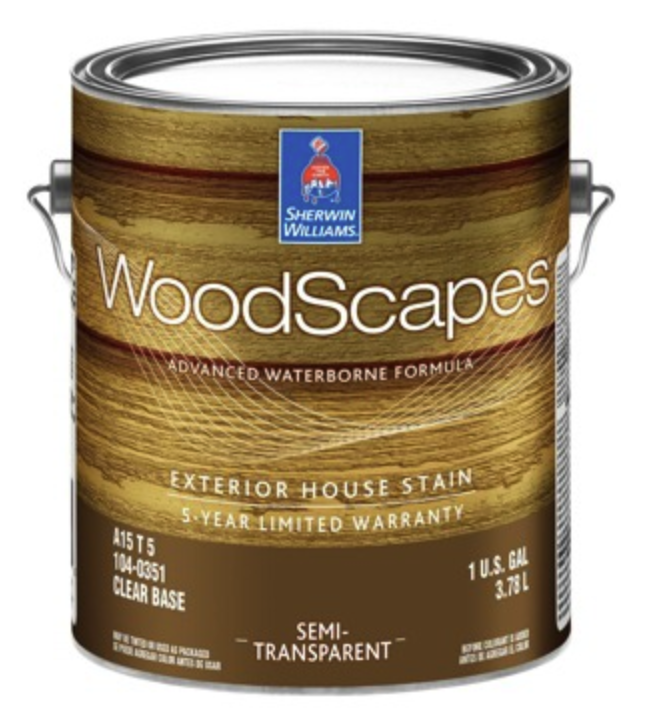
- Stain (Transparent, Semi-Transparent, or Solid): If you love the natural beauty and grain of the wood, our high-quality stains are ideal. They penetrate deep into the wood fibers, offering excellent moisture resistance and UV inhibitors while enhancing its character.
- Paint: For a crisp, clean, and modern look with the broadest range of color options, paint is a great choice. It forms a durable surface film for robust protection against the elements, perfectly matching your home’s trim for a cohesive aesthetic.
- Precision Application: Our skilled craftsmen meticulously apply the finish, ensuring even penetration and coverage across all surfaces—including hard-to-reach areas. We protect your home, surrounding areas, and landscaping with extensive masking to prevent any overspray.
- Guaranteed Longevity: We use only professional-grade products designed for longevity in tough climates, providing a protective barrier that resists warping, splitting, and premature aging.
The Electrical Trim Out Process
Once your pergola structure is beautifully stained or painted and the finish has cured, the final, it’s time for the electrical trim-out. This is where we integrate technology and lighting, transforming your structure from a beautiful shade solution into a fully functional, illuminated outdoor living room designed for day-to-night enjoyment.
Fixture Installation
During this phase, light fixtures and ceiling fans are mounted to their pre-wired locations.
- Lights: This may include cafe lights or pendant lights.
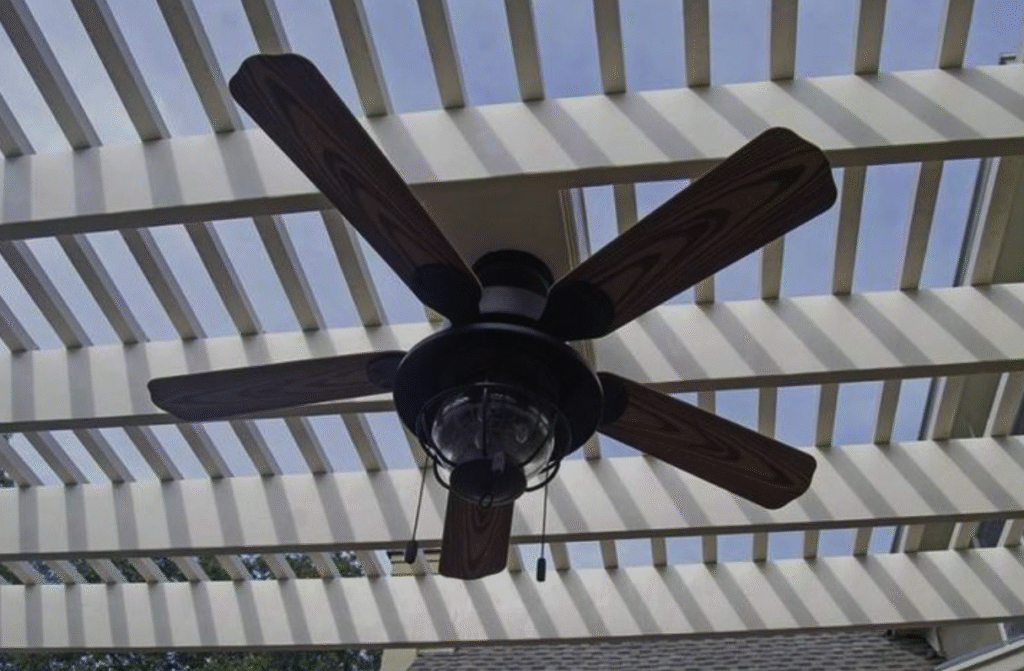
- Ceiling Fans: Outdoor-rated fans are mounted.
Outlet and Switch Installation
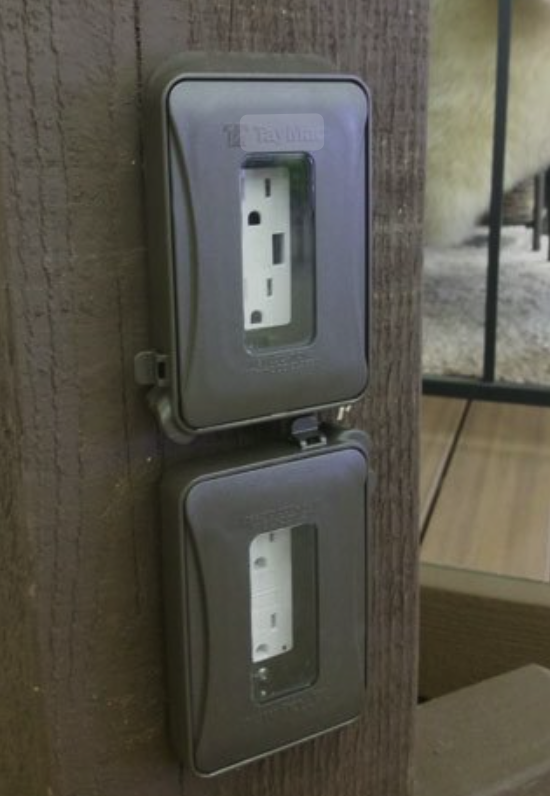
Switches and outlets are installed in their respective junction boxes, often located on the columns.
- GFCI Protection: All outlets and lighting circuits on an outdoor structure must be protected by a Ground-Fault Circuit Interrupter (GFCI), as required by the National Electrical Code.
- Weatherproof Boxes: Devices are housed in weatherproof boxes with gaskets to prevent moisture from entering.
- Proper Wiring: The neutral, hot, and ground wires are carefully connected to the corresponding terminals on the switch or GFCI outlet. The connections are secured to minimize the risk of faults.
Final Connections and Panel Work
The final electrical connections establish power to the new components.
- Wiring at the Breaker Panel: The circuits for the pergola are connected to new breakers in the main electrical panel.
- Testing and Inspection: After all connections are made, the electrician will perform a series of tests to ensure all devices and circuits are functioning correctly. This includes verifying that GFCI outlets trip properly and that lights and fans operate as intended.
Finishing Touches
The final walkthrough is where your vision is fully realized, and we ensure every last detail aligns perfectly with your expectations for quality and style.
Final Walkthrough Process
- Integrated Enhancements: This is the stage where your chosen customizations come to life. This can include setting up any required privacy screens.
- Site Cleanup and Restoration: The team installing your pergola should ensure your property is left immaculate. They should remove all construction debris and materials, leaving you with nothing to do but relax in your new sanctuary.
- Quality Assurance Check: A comprehensive final inspection can be conducted with you to confirm that every element meets rigorous standards and your complete satisfaction.
Completion
The completion process of a custom pergola involves the final stages of construction that bring the project to a close, including the final walkthrough. These steps ensure the structure is not only visually appealing but also safe, functional, and durable.
Final Inspection
The last formal step involves inspections to ensure the new pergola meets all local safety and building codes.
- Building Department Review: A final inspection from the local building department is typically required to verify that the pergola was constructed according to the approved plans and meets all regulations.
- Client Walkthrough: Luxscape conducts a final walkthrough with you to ensure all aspects of the project are completed to your satisfaction.
Landscaping and Final Touches
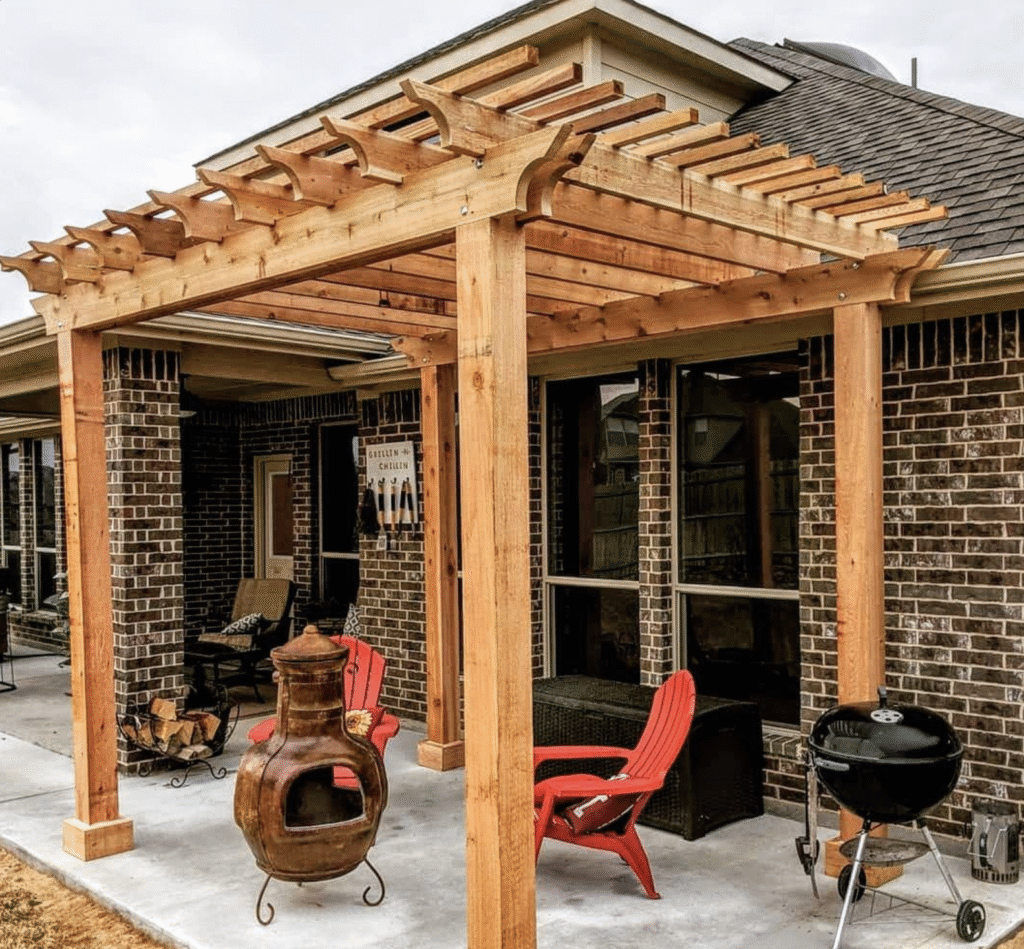
The final touches can transform the new structure into a fully integrated outdoor living space.
- Landscaping Restoration: Any landscaping or features that were removed during site preparation are restored, and new landscaping can be added.
- Furniture and Decor: The new space is furnished with outdoor furniture and decorative elements to complete the look and make it ready for use.
- Maintenance Instructions: For more complex builds, maintenance instructions for the new pergola will be given to ensure its longevity.
Time to Enjoy
The dust has settled, the final walkthrough is complete, and your stunning new outdoor sanctuary is ready. The hard part is over; now, the truly luxurious living begins.
Your stunning new pergola is ready to be enjoyed. The vision you had for your backyard has come to life, offering a beautiful and functional extension of your home.
- Relax and Entertain: Step outside into your newly defined outdoor living area. It’s the perfect setting for relaxing afternoons, al fresco dining, and creating lasting memories with family and friends.
- Enjoy the Outdoors in Comfort: Whether you’ve chosen a design for shade, protection from the elements, or simply to enhance the beauty of your yard, your new pergola provides a comfortable space to enjoy the fresh air.
- A Space Designed for You: The details of your pergola were carefully crafted to complement your home and suit your lifestyle. It’s a unique addition that enhances both the aesthetics and usability of your property.
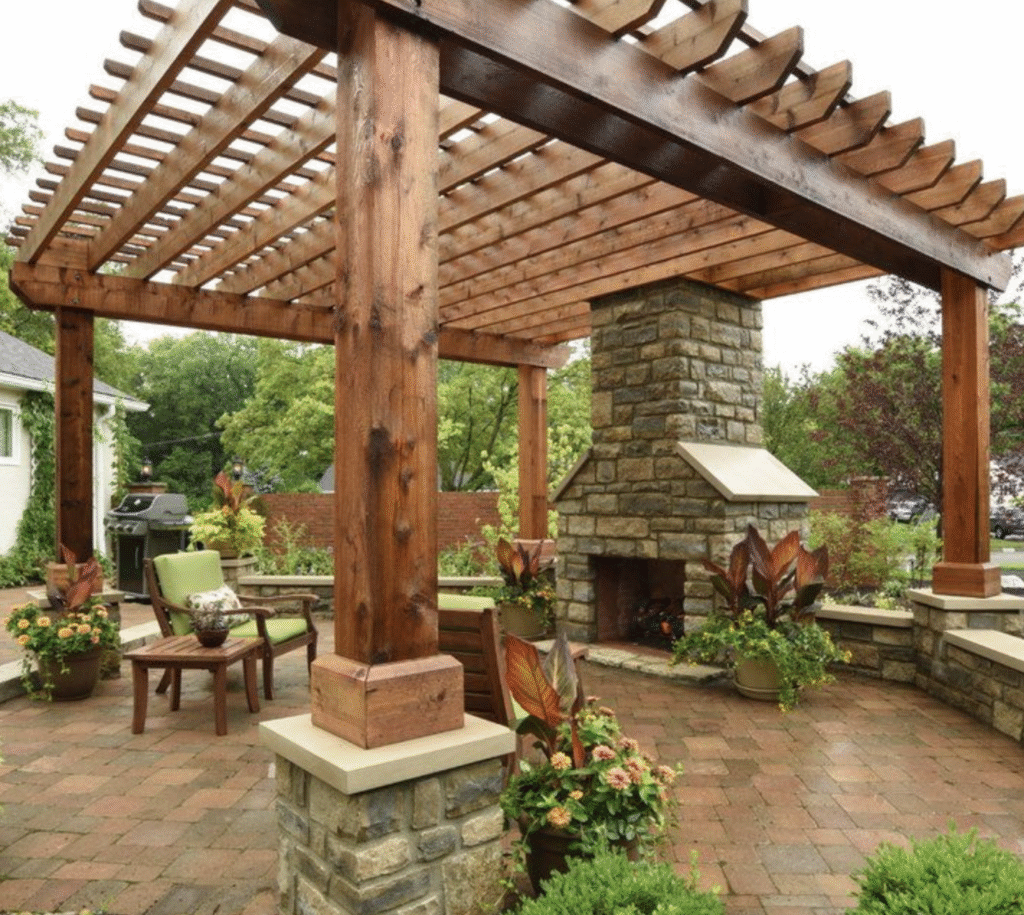
Your new pergola is more than just a structure; it’s an opportunity to embrace outdoor living and make the most of your backyard.
It’s time to settle in, personalize your space, and start enjoying all the benefits your new pergola has to offer. Your beautiful outdoor oasis is ready for you to make it your own.
The Luxscape Warranty
Our warranty for a custom pergola includes tiered coverage for different aspects of the construction. The warranty consists of distinct periods for workmanship, mechanical components, and structural elements to provide comprehensive protection and peace of mind. The following is an overview of our warranty.
Workmanship Warranty (1 Year)
This warranty guarantees that the construction and installation of the pergola will be free from defects in craftsmanship for a period of one year following the project’s completion.
- Coverage: The workmanship warranty covers any issues that arise from faulty installation or construction techniques. This may include, but is not limited to, improperly installed materials, loose or incorrectly fastened trim, and other cosmetic flaws caused by errors during the building process.
- Action: If a defect related to workmanship is discovered within the first year, we will correct the issue at no additional cost to you.
Mechanical Warranty (2 Years)
This warranty covers the mechanical systems like electrical, plumbing, and HVAC systems integrated into the custom pergola for two years.
- Coverage: The mechanical warranty addresses defects in the electrical, plumbing, and other mechanical systems. For a pergola, this primarily involves the electrical distribution system, including wiring, light fixtures, outlets, switches, and ceiling fans.
- Action: In the event of a system failure or defect within the two-year period, the warranty ensures that the necessary repairs or replacements will be performed at no cost to you.

Structural Warranty (5 Years)
The structural warranty is the most extensive part of the coverage, protecting the fundamental load-bearing elements of the pergola for five years.
- Coverage: This warranty applies to the structure’s core components that hold the weight of the pergola and withstand environmental stressors. Covered elements typically include:
- Slab and concrete footings
- Framing system
- Action: Should a defect or failure occur in these load-bearing elements, rendering the structure unsafe or unusable, the warranty covers the repair or reconstruction.
General Conditions and Limitations
While providing extensive protection, warranties do contain specific conditions and exclusions.
- What is Typically Not Covered: Common exclusions include damage from:
- Acts of nature (e.g., storms, floods, high winds)
- Accidents, misuse, or abuse
- Normal wear and tear or fading
- Alterations made by the homeowner or other parties not authorized by the contractor
- Activation: The warranty is typically contingent upon full payment for the project and may require the customer to follow certain maintenance guidelines.
- Claim Process: To initiate a claim, the homeowner must follow the procedure outlined in their warranty documentation, which usually involves notifying Luxscape of the defect in writing.